
 French
  Russian

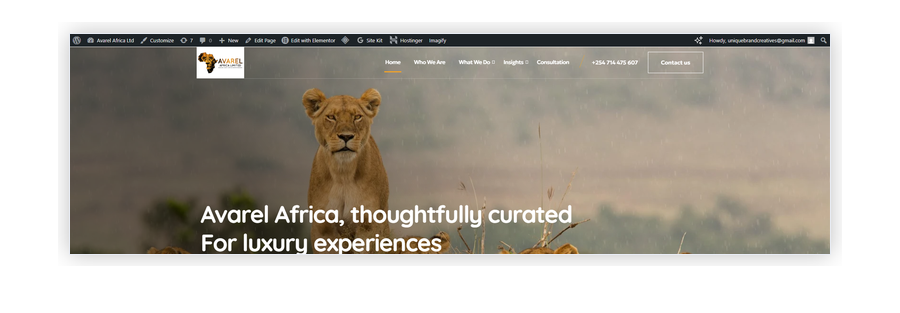


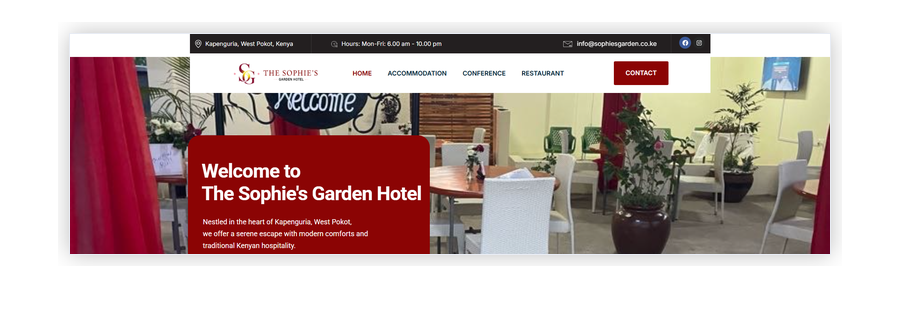

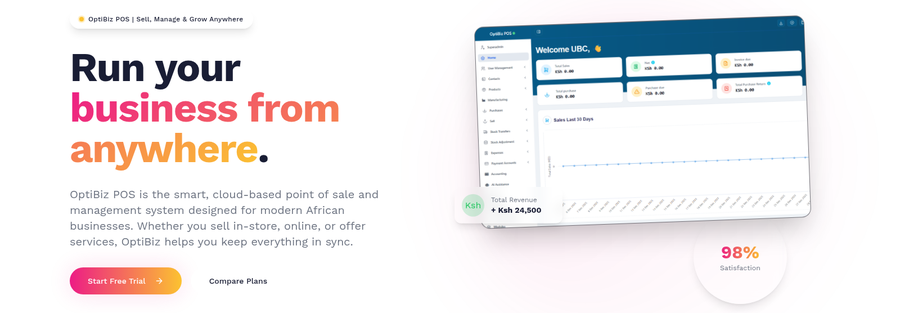

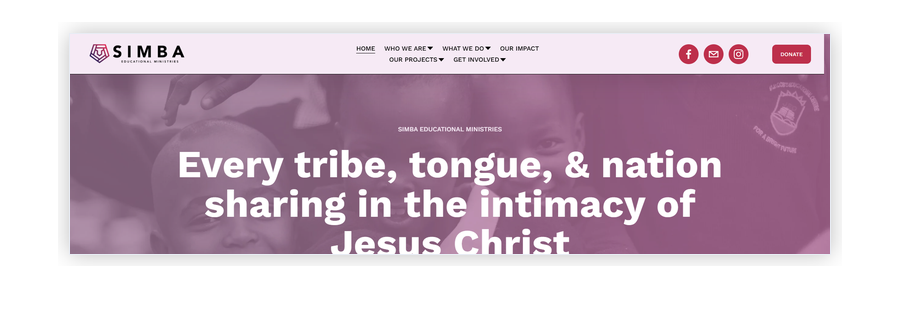

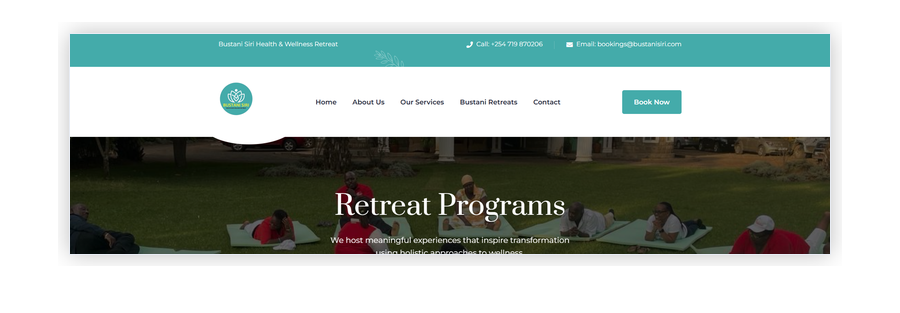
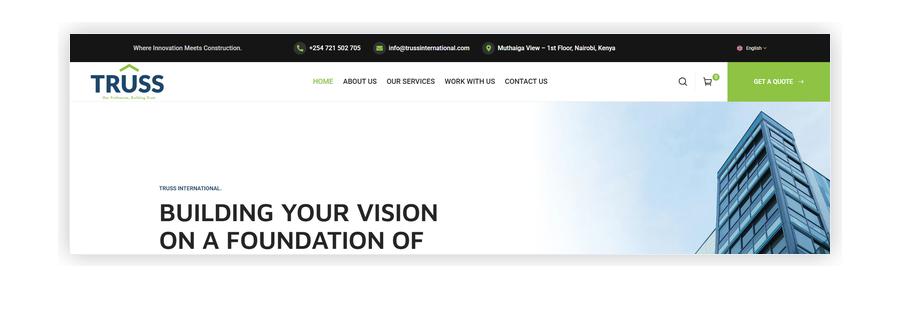


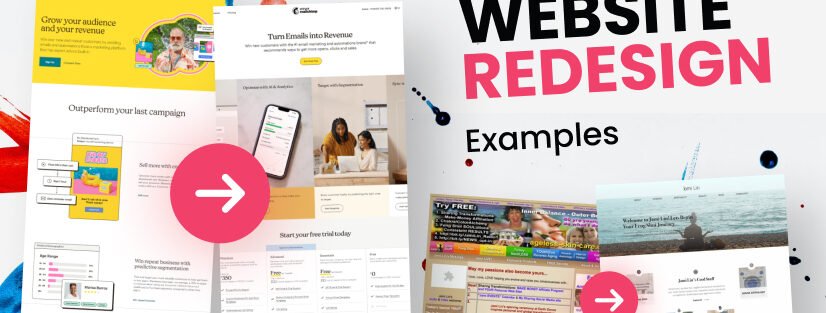
A redesign should do more than refresh how your website looks. For most businesses, the real goal is to improve how clearly the site communicates value, how easily visitors find what they need, and how consistently the website turns interest into enquiries, bookings, or sales.
The most effective redesign projects begin with diagnosis. Before changing layouts, colors, or sections, review what is already working, what users are failing to find, which pages drive enquiries, and where prospects drop off. That review usually reveals whether the biggest problem is structure, messaging, speed, content, or trust signals.
Start with business goals, not trends
Many redesigns stall because the team starts from inspiration screenshots instead of business objectives. A useful redesign brief should answer simple questions: who the site is for, which actions matter most, which pages bring the highest value traffic, and what the website must make easier after launch.
For example, a redesign for a school, NGO, or service company should not be judged only by whether it looks modern. It should be judged by whether users can understand the offer quickly, reach the right team, and complete the next step without friction.
Audit the current website before rebuilding
A focused audit helps separate cosmetic issues from structural ones. Review your homepage, service pages, calls to action, mobile layout, forms, analytics, and search visibility. If a high-intent page has traffic but poor conversion, the fix may be messaging or layout. If no one is reaching the page, the issue may be SEO or navigation instead.
- Check where users enter the site and where they exit.
- Review whether the homepage explains your value fast enough.
- Confirm service pages answer real customer questions.
- Test mobile usability, speed, and form completion.
- Identify outdated content, weak visuals, or missing proof.
Redesign around clarity and conversion
Once the audit is complete, the redesign should prioritize clarity. Visitors need a strong headline, supporting proof, a sensible page structure, and visible next steps. Good websites remove hesitation by making the organization feel credible, capable, and easy to reach.
That usually means tightening page copy, improving headings, simplifying navigation, using stronger visuals, and giving key actions more prominence. Contact buttons, quote requests, discovery session links, and lead forms should appear naturally throughout the journey instead of being buried at the bottom of a page.
Plan content and performance together
A redesign is also the right time to clean up duplicate pages, update metadata, improve internal linking, compress heavy images, and make sure the new structure supports search visibility. Design, content, and performance should move together. If one of those is ignored, the redesign feels incomplete even when it looks polished.
The best redesigns are practical. They make the website easier to manage, easier to understand, and easier for customers to act on. That is what turns a redesign into a growth asset instead of a visual refresh.