
 French
  Russian




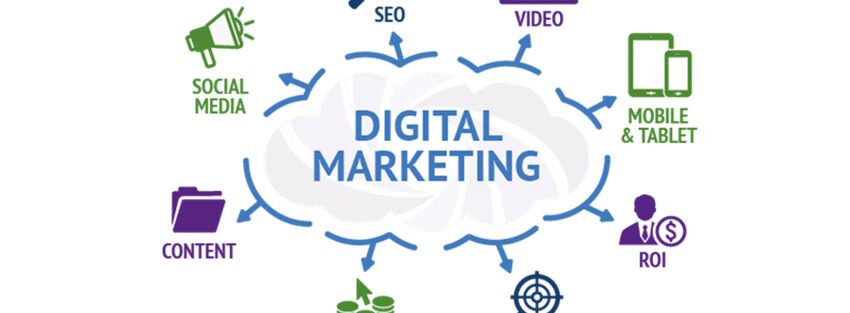
Digital marketing works best when it is treated as a connected system rather than a collection of isolated tasks. Many businesses post on social media, run the occasional campaign, and hope for the best, but the results remain inconsistent because there is no shared strategy linking awareness, trust, and conversion.
A stronger approach starts with understanding what each channel is supposed to do. SEO improves discoverability. Content builds credibility. Social media keeps the brand visible and active. Campaigns help accelerate a specific outcome. When those pieces support one another, marketing becomes easier to measure and easier to improve.
Use social media as part of a broader funnel
Social media should not carry the entire marketing burden on its own. It performs better when it supports a broader digital journey. A post may create awareness, but the website is where users usually decide whether to trust the organization, understand the offer, and take action.
That means the website, social pages, landing pages, and content topics must feel aligned. If the message changes completely from platform to platform, marketing activity becomes noisy instead of strategic.
Build around consistent messaging and recurring content
Businesses often underestimate the value of consistency. A content calendar, recurring themes, and clear campaign priorities usually outperform sporadic bursts of activity. This is especially true for service businesses, schools, NGOs, consultancies, and product-led teams that need to stay visible over time.
- Create a few clear content pillars tied to your services or products.
- Use social content to answer common audience questions.
- Publish landing pages that support the same campaign messages.
- Track which channels generate enquiries, not just likes or reach.
- Review performance monthly and adjust based on outcomes.
Combine SEO, campaigns, and reporting
Marketing becomes more effective when it is informed by search behavior and performance data. SEO helps identify what prospects are already looking for. Campaigns test what messaging earns a response. Reporting shows which pages, channels, and topics actually move people toward action.
That combination allows teams to stop guessing. Instead of posting because a schedule demands it, you start publishing content that supports real goals such as lead generation, event attendance, demo requests, or brand visibility in a specific market.
Think long term, then improve in cycles
The best digital marketing systems are built for repetition. They do not depend on a single viral moment or one campaign. They depend on steady publishing, clear calls to action, consistent brand language, and regular performance reviews. That is what makes growth more sustainable and easier to scale.