
 French
  Russian



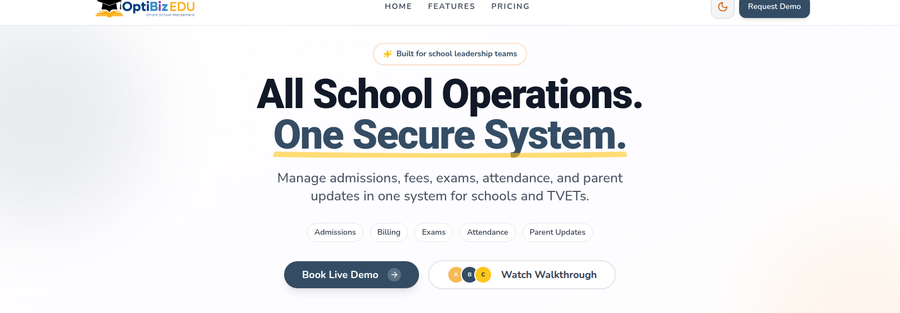


Software adoption should make operations clearer, faster, and easier to manage. In practice, many organizations adopt a platform because it looks impressive in a demo, only to discover that it does not match their workflows, reporting needs, or team readiness.
That is why selecting the right CRM, POS, or education management platform should start with operational fit. A system only becomes useful when it supports the real work your team handles every day.
Map the workflow before selecting the platform
Before comparing features, document how work currently happens. For a CRM, that may mean how leads are captured, assigned, followed up, and reported on. For a POS, it may mean how sales, inventory, shifts, and branch visibility are managed. For an EDU platform, it could include admissions, student records, communication, billing, and academic workflows.
Once the actual process is clear, software evaluation becomes more disciplined. Instead of asking which platform has the longest feature list, you begin asking which one supports your process with the least friction.
Evaluate beyond the demo screen
A polished demo is only one part of the decision. A better evaluation also considers onboarding effort, user permissions, reporting, support needs, integrations, data migration, and whether the platform can realistically be managed by your team after launch.
- Check whether the platform supports your current process or forces unnecessary workarounds.
- Review reporting and dashboard needs early.
- Understand what setup, migration, and training are required.
- Confirm whether branch, department, or multi-user roles are handled cleanly.
- Ask what ongoing support looks like after rollout.
Balance packaged software with implementation support
Packaged products can be the right choice when the need is clear and the workflow is common enough to avoid building a custom system from scratch. That is often the case for sales, customer management, or education operations where speed, reliability, and support matter more than unlimited customization.
Even then, rollout still needs planning. Teams usually benefit from setup support, data structuring, onboarding, and phased implementation rather than a rushed go-live. Software decisions are rarely just technical decisions. They are operational decisions that affect adoption, accountability, and day-to-day efficiency.
Choose the system your team can actually use well
The best product is not always the one with the most features. It is the one your team can understand, trust, and use consistently. When software matches the organization’s real process and comes with the right rollout support, it becomes an asset instead of a burden.